
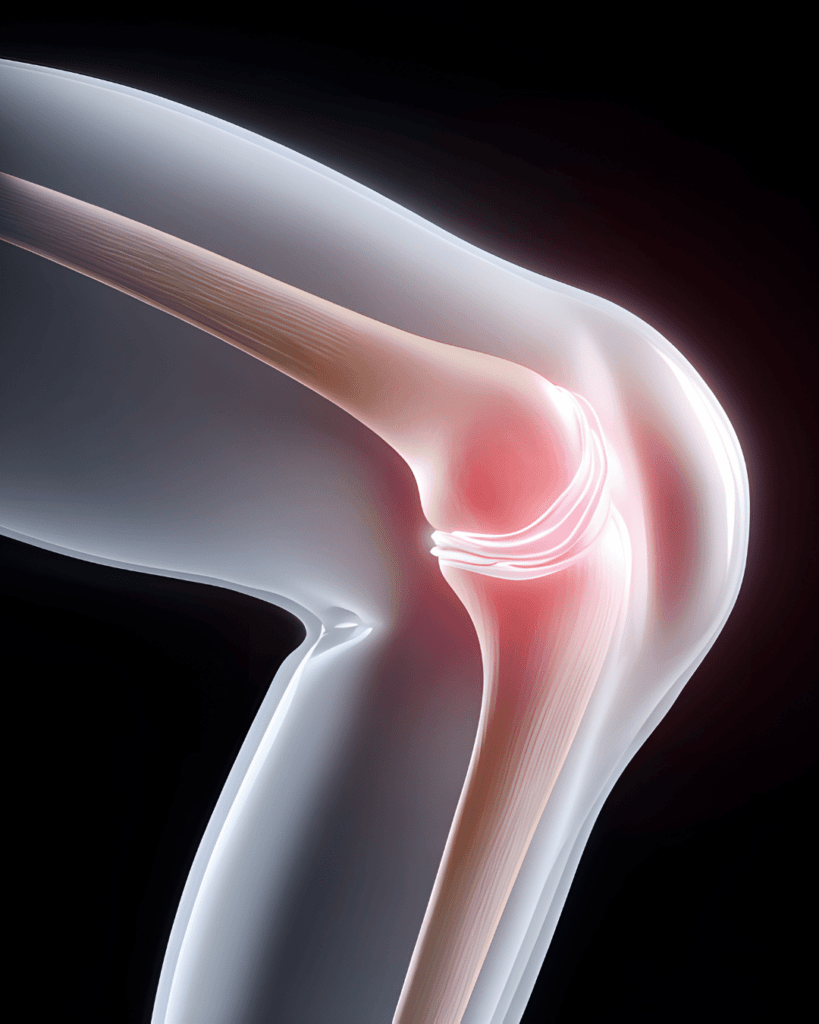
Many people who have received knee replacements expect the pain to disappear completely after a few weeks. In practice, however, some patients find that the pain persists longer than expected. This can cause frustration, uncertainty and wondering if recovery is going well.
So a logical question is:
is it normal to keep having pain after a knee replacement, or is this a sign that something is not going right?
In this article, we explain when pain is part of recovery and when it is wise to have a specialized assessment done.
Is pain normal after knee replacement?
Yes, some degree of pain is normal after surgery for a knee replacement, especially in the first few weeks to months.
In this phase, the following symptoms may occur:
- Pain when moving the knee
- Moderate swelling
- Stiffness, especially in the morning
- Complaints after exercise therapy or exertion
With a well-constructed rehabilitation program, these symptoms should gradually decrease. It is not a matter of complete disappearance of pain in a short period of time, but of marked progress.
Common causes of persistent pain after knee replacement
In many cases, the cause is not the surgery itself, but the recovery process afterward. Common factors are:
Inadequate or non-personalized rehabilitation
Every patient recovers differently. A rehabilitation program that is too general sometimes does not adequately take into account individual limitations and needs.
Incorrect construction of load
Too cautious or too intensive an approach can lead to persistent symptoms and delayed recovery.
Fear of moving
After major surgery, many people avoid certain movements for fear of pain. This can lead to stiffness, loss of strength and inefficient movement patterns.
Insufficient attention to muscle strength and mobility
The knee does not function in isolation. When surrounding muscles and chains of motion are not properly included, pain can persist.
The biggest mistake: waiting for the pain to go away on its own
A common mistake is accepting pain for too long, hoping it will go away on its own.
The longer complaints persist:
- The harder it becomes to correct incorrect movement patterns
- The more the body adapts to compensations
- The longer the total recovery takes
Timely intervention can make a big difference in the final outcome.
What can you do if the pain persists?
When pain does not subside, individual and targeted assessment is essential. This involves looking at:
- The way the knee moves
- Limitations in strength and mobility
- Factors impeding recovery
Based on this, rehabilitation can be adjusted with a more focused and personalized treatment plan.
A specialized assessment can provide clarity
Every rehabilitation proceeds differently and not every pain has the same cause.
A specialized assessment can help understand why the pain persists and what steps are needed to improve recovery, increase mobility and regain confidence in movement.
In conclusion
Have you received a knee replacement and feel like your recovery is stagnating?
Continuing to live with pain is not always necessary. With the right approach, improvement is still possible in many cases.
