Specialist rehabilitation to improve hand function, coordination and the practical skills that matter in daily life. Individual treatment shaped around your abilities and goals.
Occupational therapy helps people participate in the activities that give structure and meaning to daily life. Following neurological conditions, injury or illness, changes in movement, sensation, coordination or cognition can make familiar tasks more demanding.
At Medifit, assessment considers how you use your hands and arms, manage personal care and navigate daily routines. Treatment combines purposeful activities, graded practice and compensatory strategies, according to your individual needs.
WHAT WE WORK ON
The skills behind everyday independence
Each area is linked to practical goals that can be observed and reviewed throughout treatment.
Upper limb function
Targeted exercises to improve arm mobility, reaching, grasping and functional movement control.
Fine motor skills
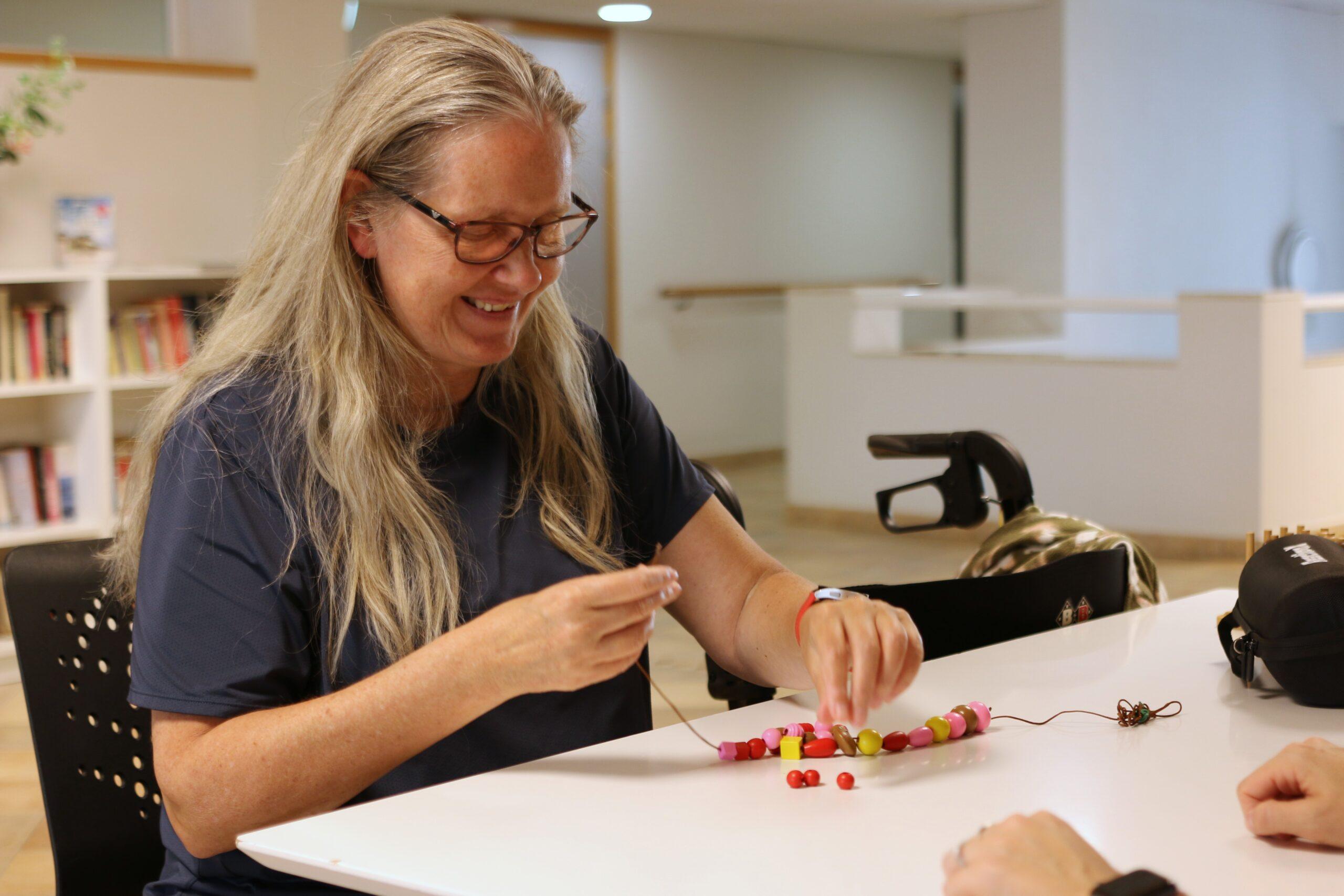
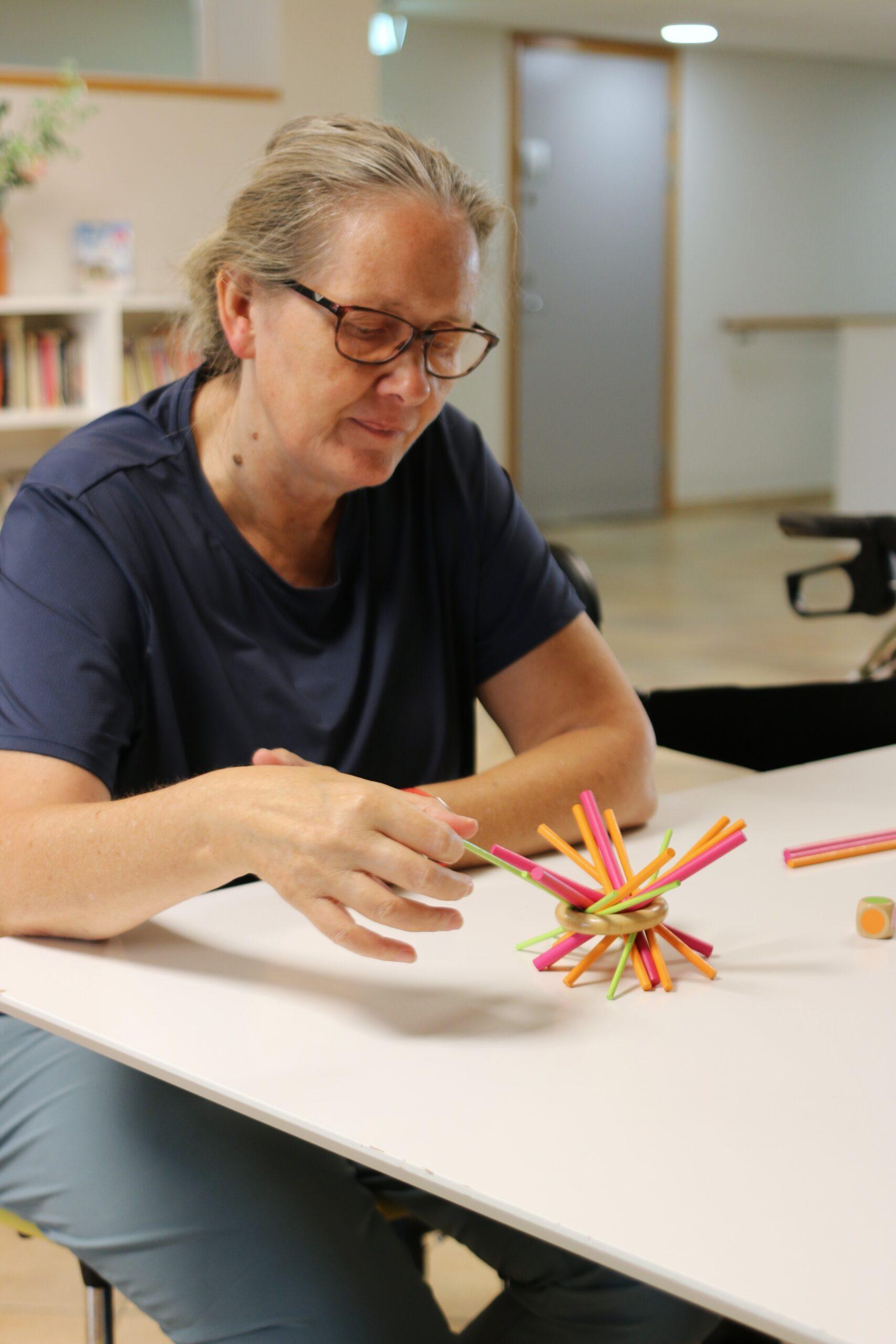
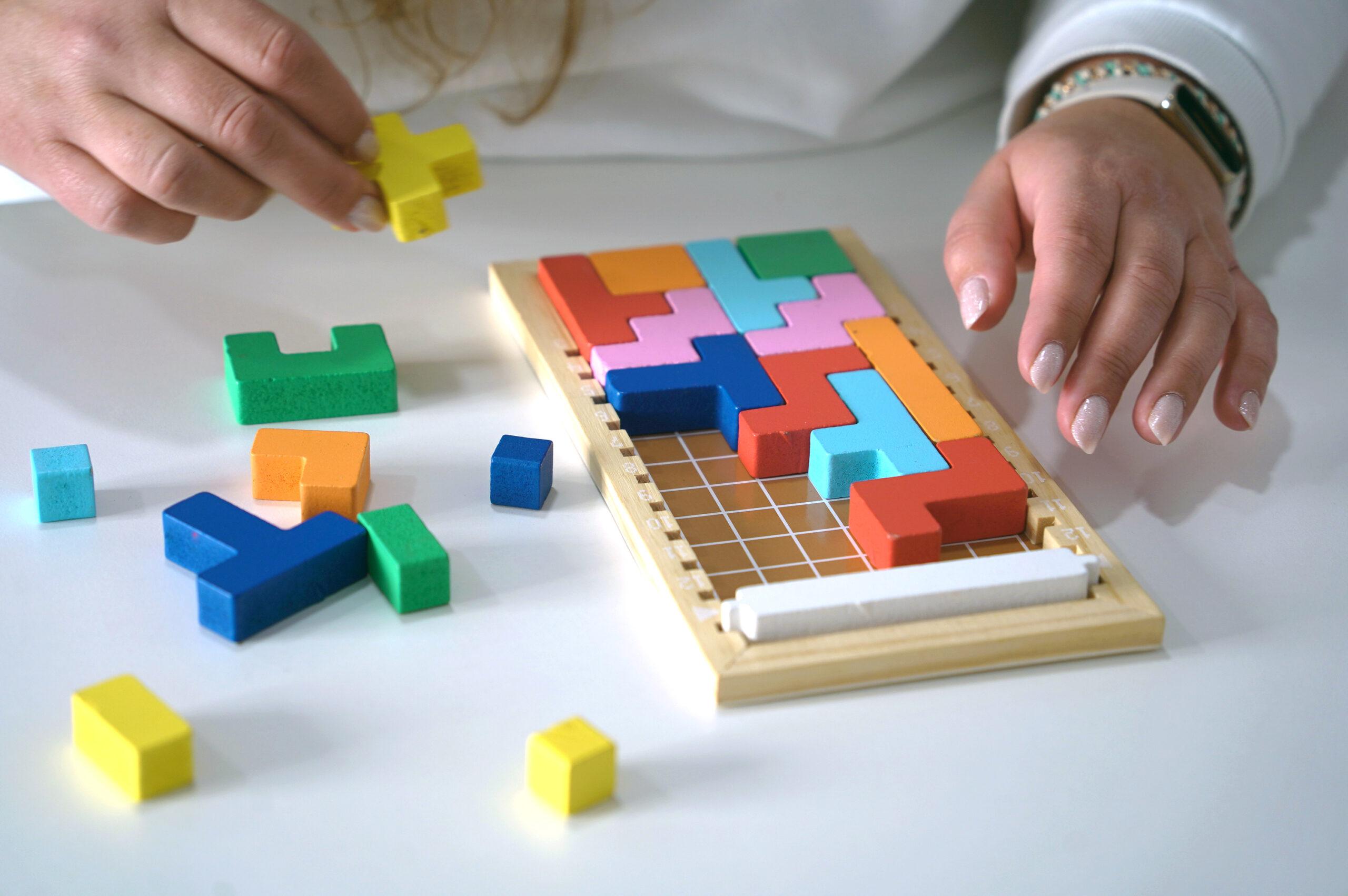
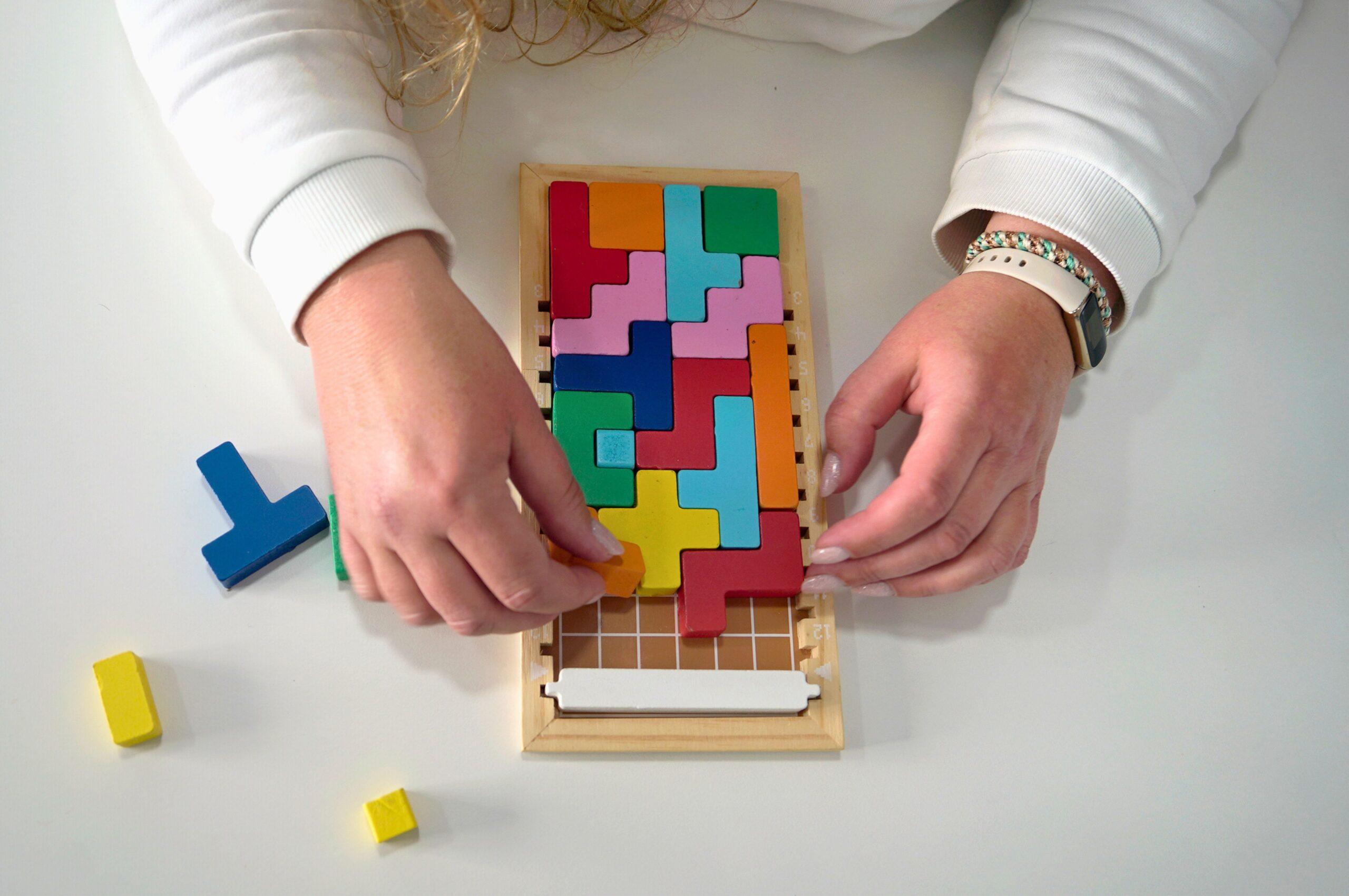
Precision-based activities to improve finger coordination, grip control and object manipulation.
Motor Control
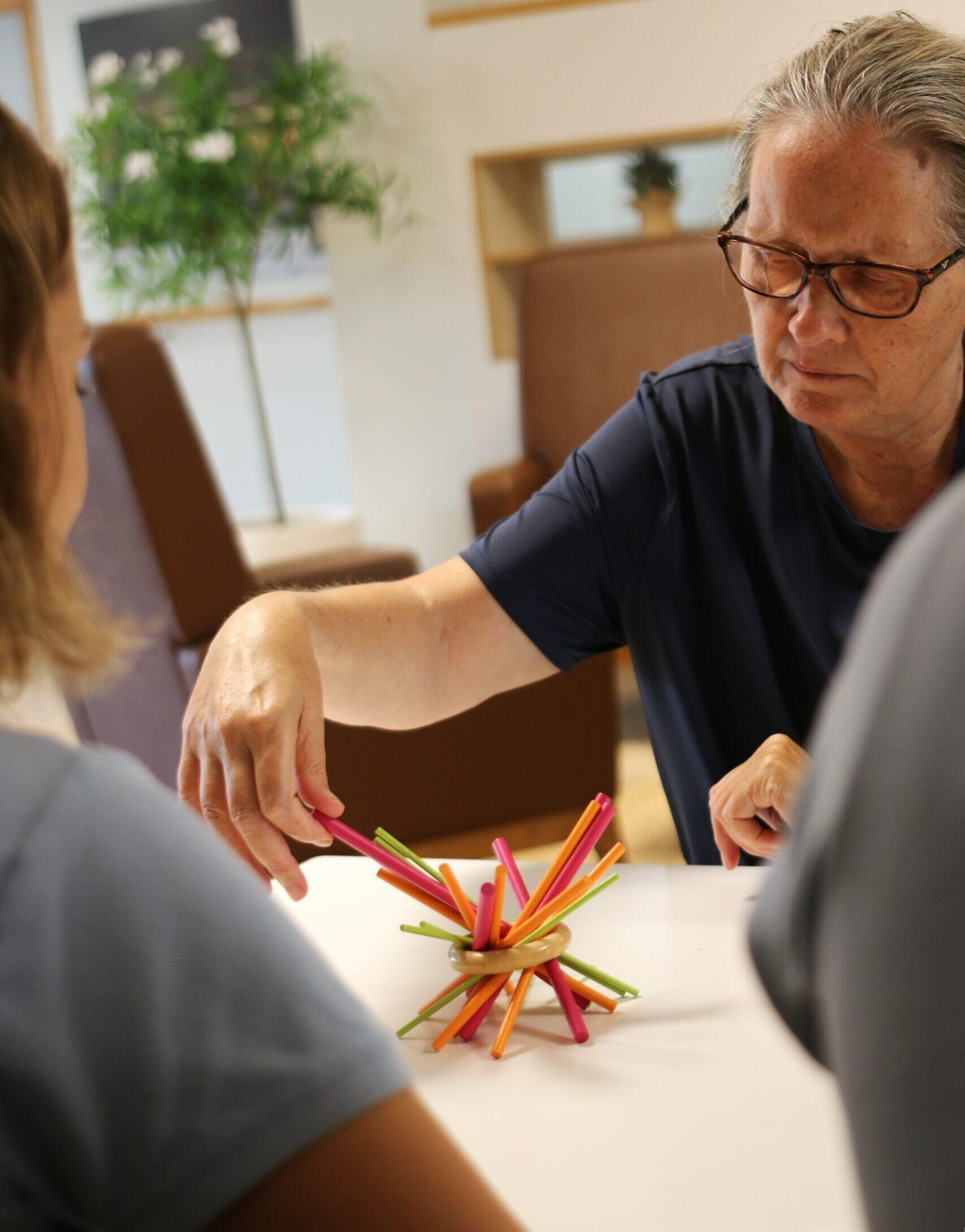
Functional exercises focused on coordinating both hands, controlling movement and performing purposeful tasks.
Cognitive Integration
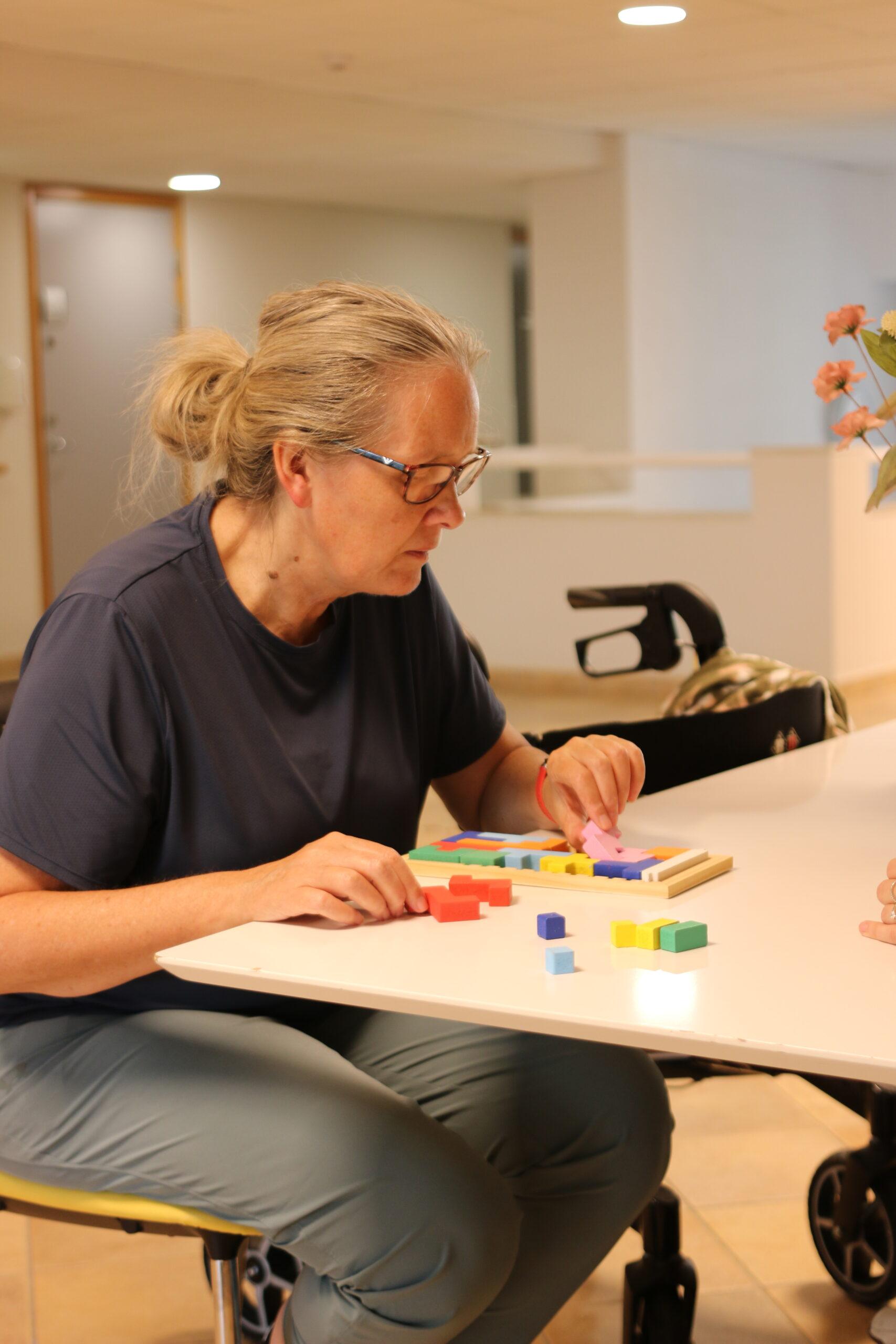
Structured activities combining attention, planning and movement to support functional performance.
HAND FUNCTION & MOTOR CONTROL
Precision, coordination and purposeful movement
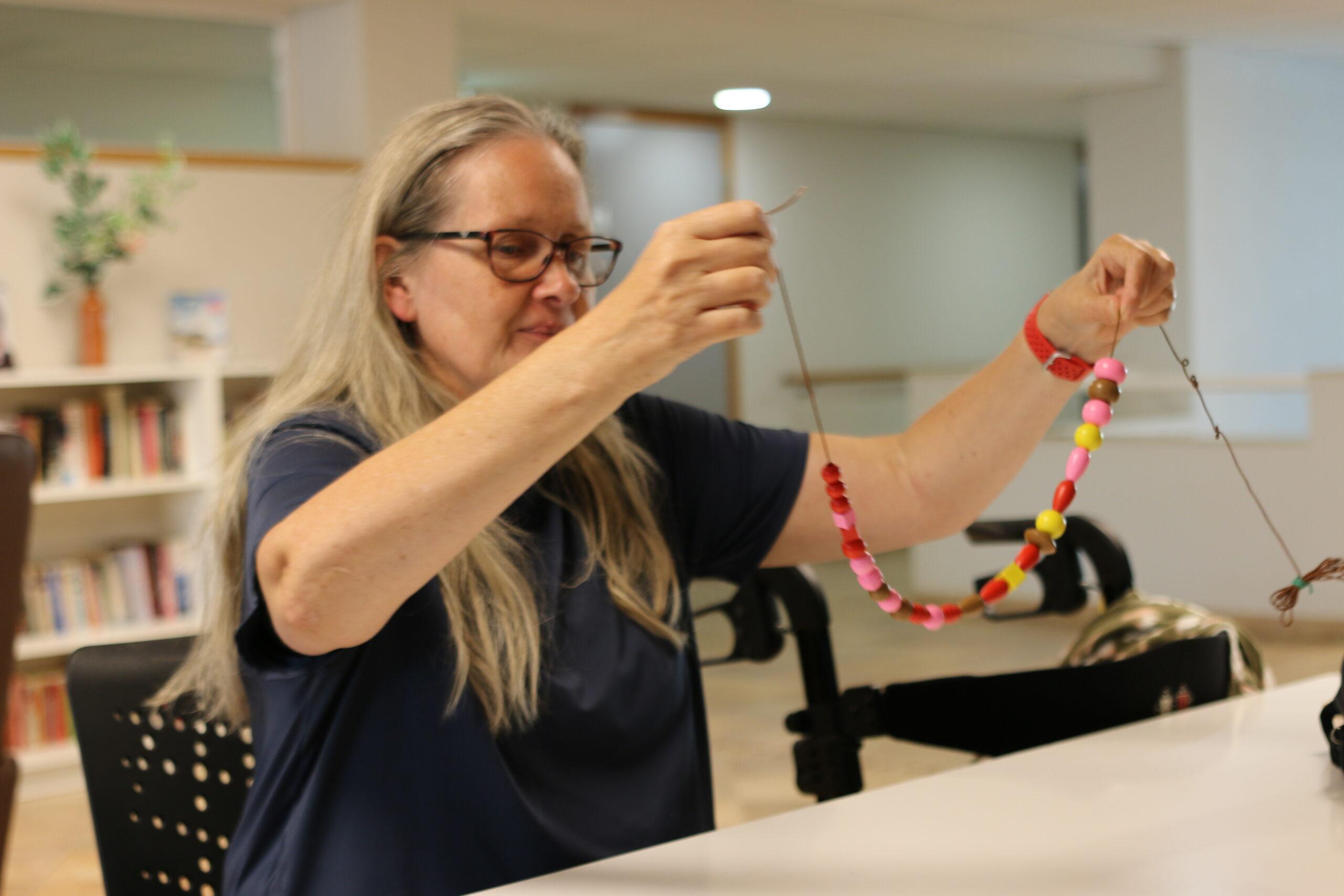
After neurological injury or illness, even small changes in grip, timing or hand-eye coordination can affect independence. Occupational therapy uses graded, meaningful tasks to practise the movements needed for daily activities.
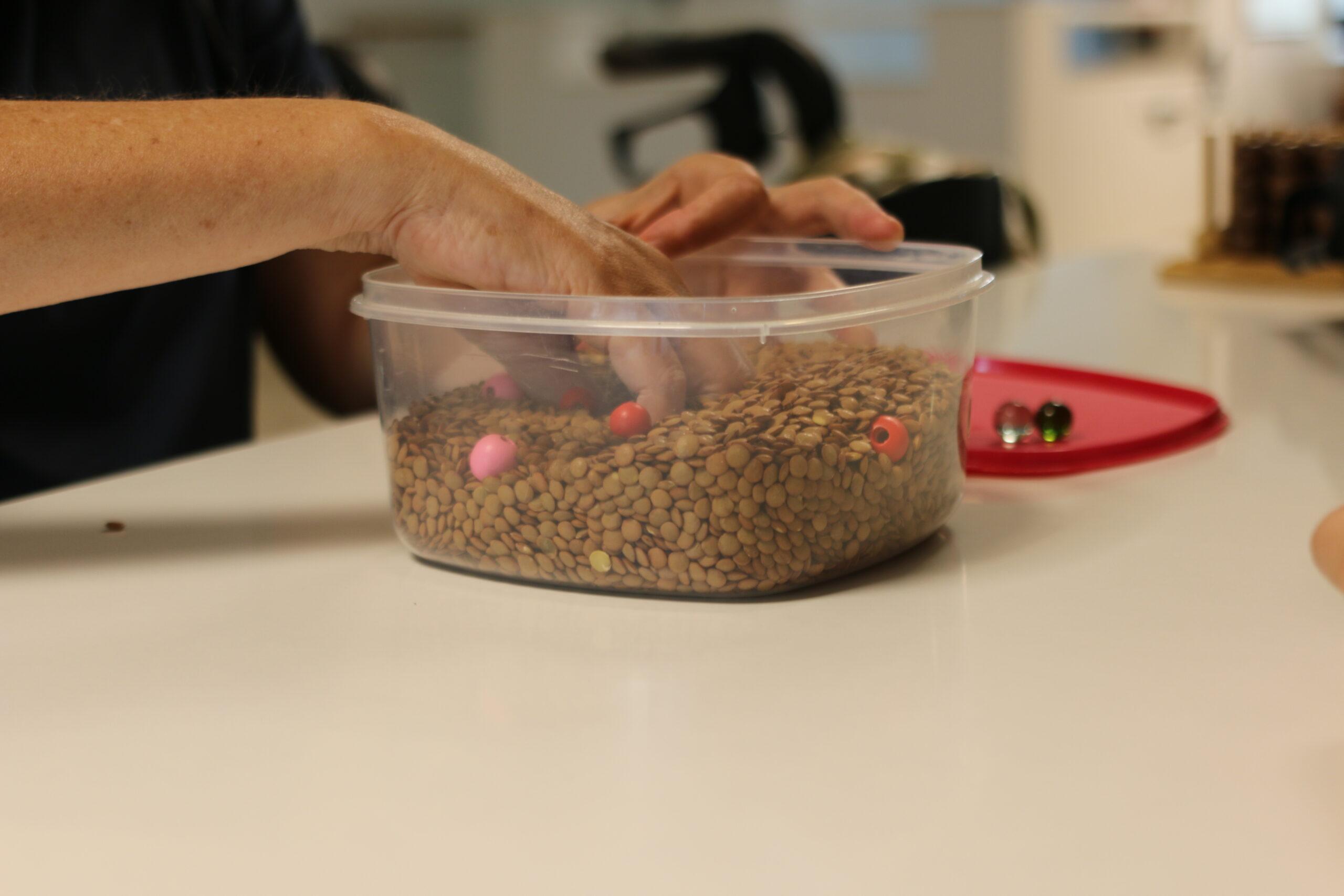
Depending on assessment, treatment may include object manipulation, grip and release, bilateral coordination, sensory-motor practice and upper limb training. Progress is measured by what you can do in real-life situations—not by exercise performance alone.
Work towards greater participation in personal care and household activities.
Better hand use
Target functional grip, coordination and object handling according to your needs.
Practical adaptations
Explore strategies, equipment or task modifications when appropriate.
Continuity at home
Use achievable routines to practise skills outside scheduled therapy sessions.
OCCUPATIONAL THERAPY IN PRACTICE
Real therapy. Everyday progress
YOUR THERAPY PATHWAY
A structured approach to functional recovery
Assess
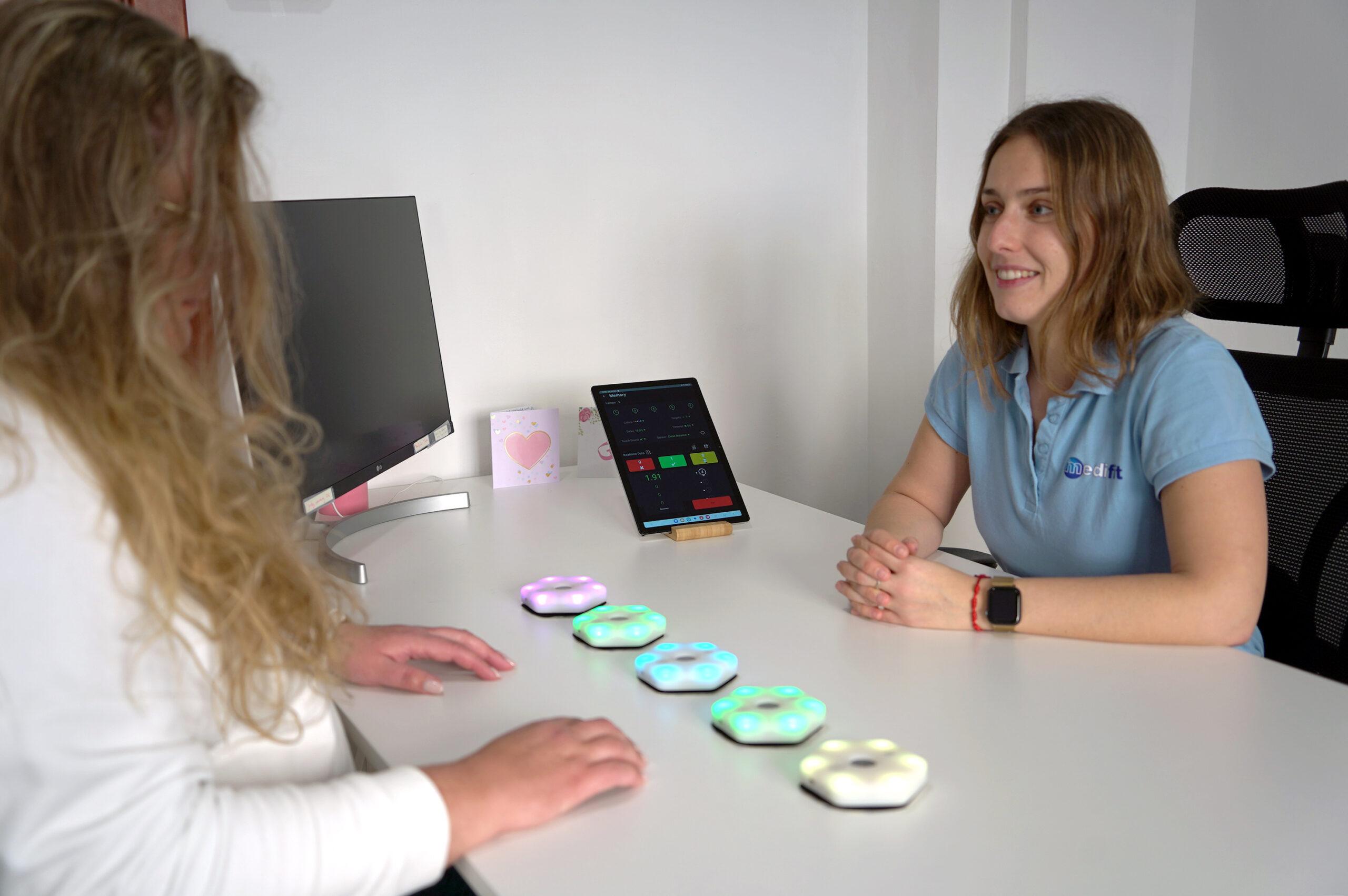
We identify your priorities, functional challenges and measurable daily-life goals.
Practise
Task-specific therapy and graded activities focus on movement, skills and strategies.
Apply
We review progress and adapt strategies for home, work and everyday routines.
PART OF A MULTIDISCIPLINARY PLAN
Occupational therapy in neurological rehabilitation
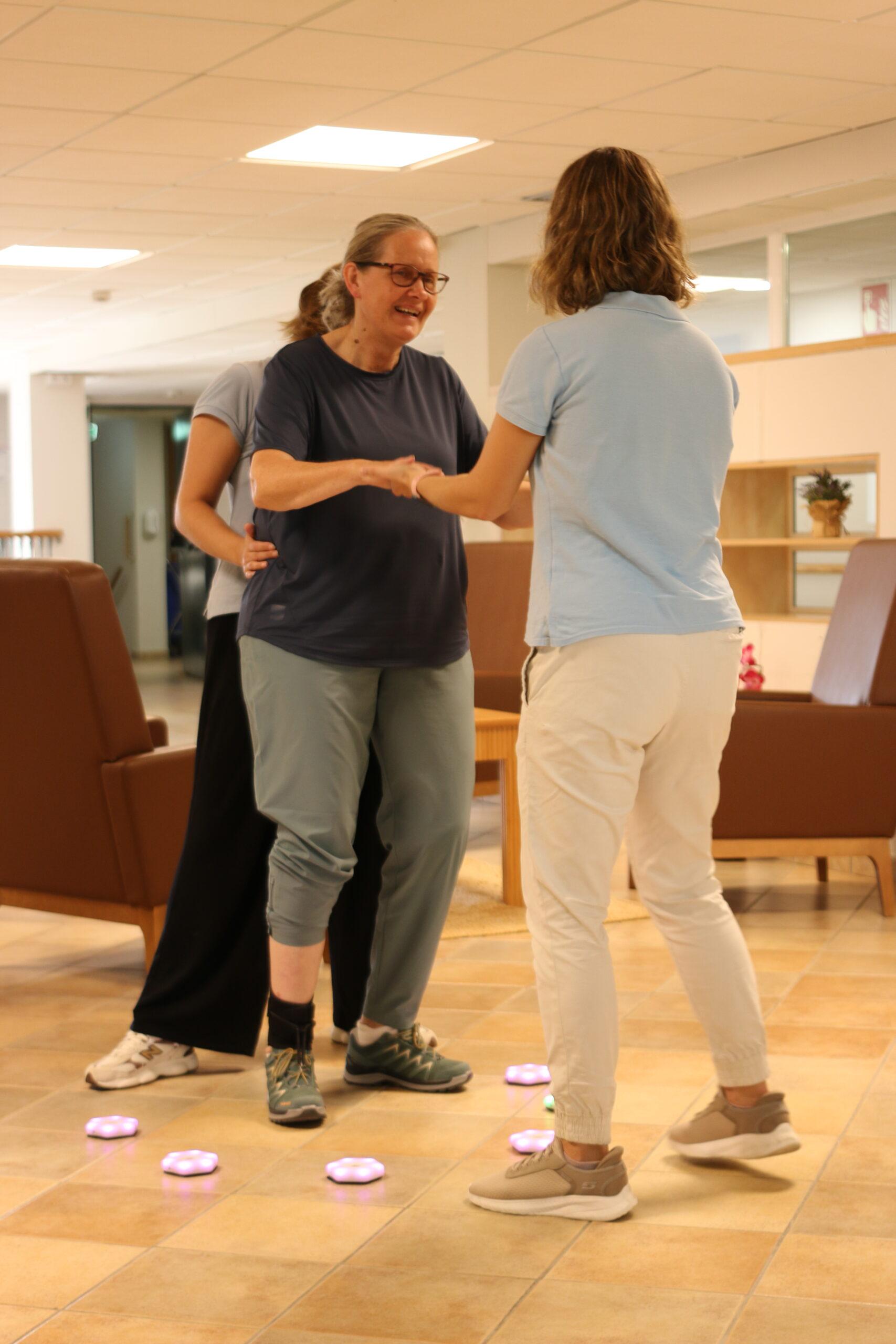
For people living with neurological conditions, occupational therapy may be integrated with physiotherapy and other specialist disciplines. At Medifit, rehabilitation planning can address mobility, upper limb function, cognitive demands and independence in daily life.
How is occupational therapy different from physiotherapy?
Physiotherapy commonly focuses on physical movement, strength and mobility. Occupational therapy concentrates on participation in meaningful activities, including the practical, cognitive and environmental factors that affect independence. The two disciplines often complement each other.
Can occupational therapy improve fine motor skills?
Fine motor rehabilitation may include graded tasks targeting grasp, finger dexterity, hand-eye coordination and the manipulation of everyday objects. The approach depends on the cause of the difficulty and the findings of the assessment.
Is occupational therapy useful after a neurological condition?
Yes. Occupational therapy is frequently part of neurological rehabilitation for people with conditions such as stroke, acquired brain injury or multiple sclerosis. Treatment priorities depend on your functional needs, abilities and goals.
Will I learn strategies I can use at home?
Where appropriate, your therapist can introduce activity adaptations, energy-conservation strategies, assistive equipment or structured home practice. The aim is to transfer therapy gains into everyday life.
LET’S START WITH YOU
Let’s focus on what matters to you
Tell us which daily activities you would like to improve and which location you prefer. Our team can advise on the most appropriate next step and current availability.