
Sleeping problems after knee replacement are a common concern during the early stages of recovery. Many patients experience difficulty falling asleep, frequent awakenings or poor sleep quality after surgery. While this can be frustrating, it is usually a temporary part of the healing process. At Medifit in Spain, recovery programs take sleep quality into account as an important factor in successful rehabilitation.
Sleep plays a key role in recovery. During rest, the body repairs tissues and reduces inflammation. When sleep is disrupted, this process becomes less efficient. Understanding why sleep problems occur after knee replacement helps you take the right steps to improve rest and support recovery.
Why sleeping problems occur after knee replacement
Sleeping problems after knee replacement often result from a combination of physical and mental factors. Surgery causes tissue irritation, which leads to pain and swelling. These symptoms tend to become more noticeable at night, when the body is at rest and there are fewer distractions.
Inflammation in the knee can also create pressure and discomfort, making it difficult to find a comfortable sleeping position. In many cases, improper positioning of the leg contributes to ongoing discomfort during the night.
Managing swelling effectively, as explained in reduce swelling after knee surgery, can help reduce night pain and improve sleep quality.
Sleeping problems after knee replacement in the first weeks
Sleeping problems after knee replacement are usually more intense during the first weeks after surgery. During this phase, the body is still adapting to the procedure and healing is actively taking place. Pain levels may fluctuate, especially after physical activity during the day.
Positioning plays an important role. Many patients struggle to find a comfortable way to rest without increasing pressure on the knee.
Learning how to properly elevate your leg after knee surgery can reduce discomfort and support better circulation during the night.
A balance between rest and controlled activity is essential. Too much movement can increase symptoms, while too little activity may lead to stiffness and discomfort.
How long do sleep problems last after knee surgery?
Sleeping problems after knee replacement usually improve gradually within 4 to 8 weeks after surgery. However, recovery timelines vary depending on the individual and the type of procedure performed.
Factors such as pain management, inflammation control and rehabilitation quality influence how quickly sleep returns to normal. Understanding the broader recovery process helps patients maintain realistic expectations.
A detailed overview of this process can be found in knee surgery recovery time, which explains how different stages of recovery impact daily life.
The role of rehabilitation in improving sleep
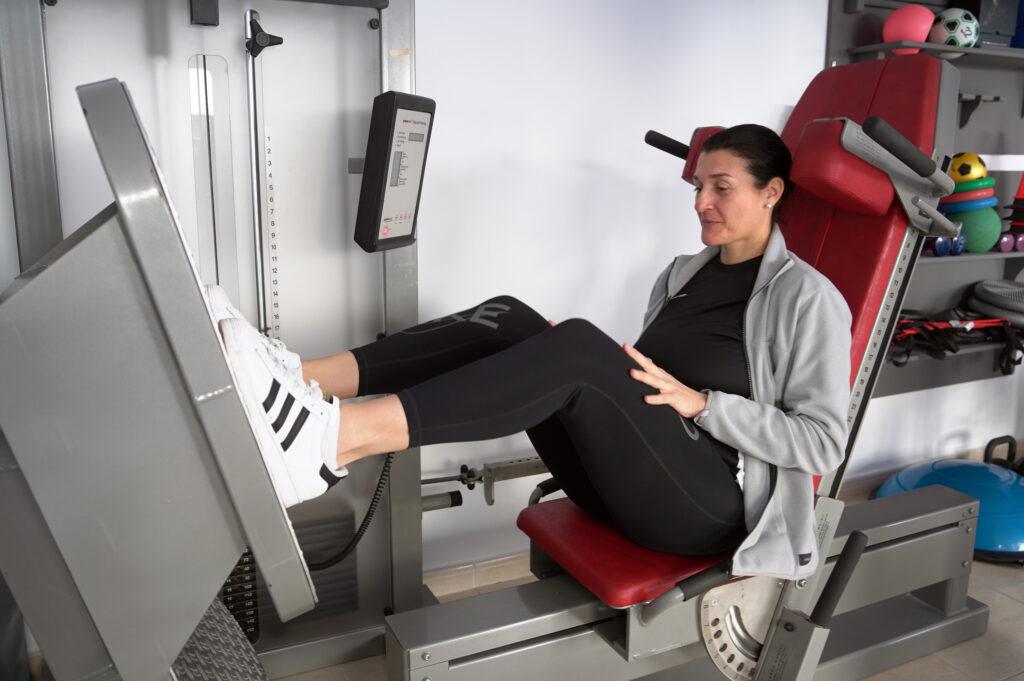
Rehabilitation plays an important role in reducing sleeping problems after knee replacement. A structured physiotherapy program helps decrease pain, improve mobility and restore joint function. As the knee becomes more stable, night discomfort tends to decrease.
Movement is essential for circulation and fluid regulation. Guided exercises help the body recover without overloading the joint. This contributes to a more comfortable physical state, which directly affects sleep quality.
Professional supervision ensures that rehabilitation progresses at the right pace. Adjustments are made based on pain levels, mobility and overall recovery. This personalised approach supports both physical recovery and better rest.
Daily habits that influence sleep after knee replacement
Sleeping problems after knee replacement are not only influenced by the surgery itself, but also by daily habits. Maintaining a consistent routine helps regulate the body’s internal clock. Going to bed at regular times can improve sleep patterns over time.
Pain control should be managed proactively, especially in the evening. Waiting until pain becomes intense often leads to disrupted sleep. Small adjustments in daily activity can also make a difference.
Avoiding sudden increases in physical effort reduces irritation in the knee. At the same time, staying moderately active during the day helps promote natural fatigue, which supports better sleep at night.
Long-term recovery and sleep quality
Sleeping problems after knee replacement usually decrease as recovery progresses. As strength and mobility improve, the knee becomes more stable and less reactive to daily activity.
Long-term improvement depends on maintaining a balance between activity and recovery. Monitoring how the knee responds to exercise helps prevent setbacks. Gradual progression allows the body to adapt without triggering inflammation or pain.
Ongoing professional guidance helps identify potential issues early. This proactive approach supports a smoother recovery and more consistent sleep patterns over time.
Contact Medifit for support after knee replacement
Sleeping problems after knee replacement can affect both recovery and quality of life. With the right guidance, these issues can be managed effectively. At Medifit, rehabilitation programs are tailored to each patient’s needs, focusing on safe recovery and long-term results.
Contact Medifit today for more information and discover how professional rehabilitation in Spain can support your recovery after knee replacement.
